UNR Med researcher Rajan Singh, Ph.D., is investigating the microbiome–gut–brain connection in people living with hEDS

Rajan Singh, Ph.D., assistant professor of research in the Department of Physiology and Cell Biology at the University of Nevada, Reno School of Medicine (UNR Med), is developing a patient-centered research initiative to help change that. Professor Singh is investigating the microbiome–gut–brain connection in people living with hEDS – hypermobile Ehlers-Danlos syndrome.
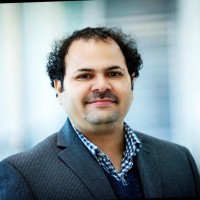
“For most patients, the problem is not a lack of symptoms. It’s a lack of biological explanation,” Singh said. “Our responsibility is to listen carefully to patient experiences and translate them into measurable research questions.”
Many people living with hypermobile Ehlers-Danlos syndrome (hEDS) spend years searching for answers. Severe nausea, abdominal pain, food intolerances, chronic fatigue and autonomic disorders such as postural orthostatic tachycardia syndrome (POTS) can disrupt nearly every aspect of daily life. Yet despite how common these symptoms are, researchers still do not fully understand why they occur.

Disclaimer – By providing links to other sites, vegasdesi.com does not guarantee, approve or endorse the information or products available on these sites.
Related News

IT’S ELECTION DAY – NOVEMBER 3, 2026. EXERCISE YOUR RIGHT TO VOTE…
Today is the Election Day…the last chance to vote is today. Have your say!…Make yourRead More